Wholesale & ESG
Sustainability has always been at the heart of Team River. We curate responsibly sourced food products locally and globally, constantly expanding our network of carefully selected partners and maintaining meticulous quality control, all with the simple goal of minimising the impact made on the environment and maximising the quality delivered to our patrons.
WHY TEAM RIVER

Route to ESG
At Team River, we believe that sustainable sourcing should be simple, measurable, and mutually beneficial. As a Hong Kong‑based aquaculturist and food supplier, we are committed to supporting our wholesale partners in meeting their ESG goals with transparency and integrity.
We have developed a practical, data‑driven approach that allows our clients to directly integrate our products into their ESG reporting. By providing verifiable environmental data—such as product‑level carbon footprints based on actual farm operations—we help simplify Scope 3 emissions calculations and reduce the complexity of sustainable procurement.
Our ESG support covers three key areas:
· Environment – We offer product‑specific carbon footprint data, enabling clients to quantify emissions reductions by choosing locally farmed seafood over imported alternatives.
· Social – As a government‑registered “Quality Fish Farm,” our operations are free from hormones and antibiotics. We also support local employment, food security, and a circular economy by supplying processing by‑products to non‑profit organisations for use in local fish feed production.
· Governance – Our ESG reports are based on real operational data, providing full traceability and transparency. Clients can rely on our methodology and data sources for credible, auditable ESG disclosures.
By working with Team River, wholesale clients can turn sustainable sourcing into a measurable contribution to their ESG performance—building a stronger, more responsible supply chain together.
We look forward to partnering with you on your ESG journey.
ESG 採購數據報告
Jade Perch寶石魚
本報告提供本地養殖寶石魚之 ESG 計算依據,採用 2025 年 8 月至 2026 年 2 月實際用電數據(3,232 kWh)及產出數據(3,000 條,每條 500g,共 1,500 公斤),計算出每公斤原條寶石魚生命週期碳足跡為 3.0 kg CO₂e。客戶可直接引用此數據進行碳排放計算,實現供應鏈減碳效益。
Local Farmed Tilapia Fillet本地養殖羅非魚柳
本報告提供本地養殖羅非魚柳之 ESG 計算依據,採用 2025 年 8 月至 2026 年 2月實際用電數據(3,232 kWh)及產出數(1,500 公斤原條,加工為 675 公斤魚柳),計算出每公斤羅非魚柳生命週期碳足跡為 6.5 kg CO₂e。加工剩餘物料(魚頭、魚尾、魚骨)全數供應予非牟利機構作本地魚飼料原料,實現循環經濟。報告同時闡述本地採購在社會(政府認證、支持就業)及管治(供應鏈透明、可追溯)方面的效益,並透過引用國際數據庫及保守估算,說明進口產品碳足跡約為12.8 kg CO₂e/kg,本地產品減碳約 6.3 kg CO₂e/kg(減幅 49%),突顯本地產品的減碳優勢,協助企業在 ESG 報告中全面呈現可持續採購價值。
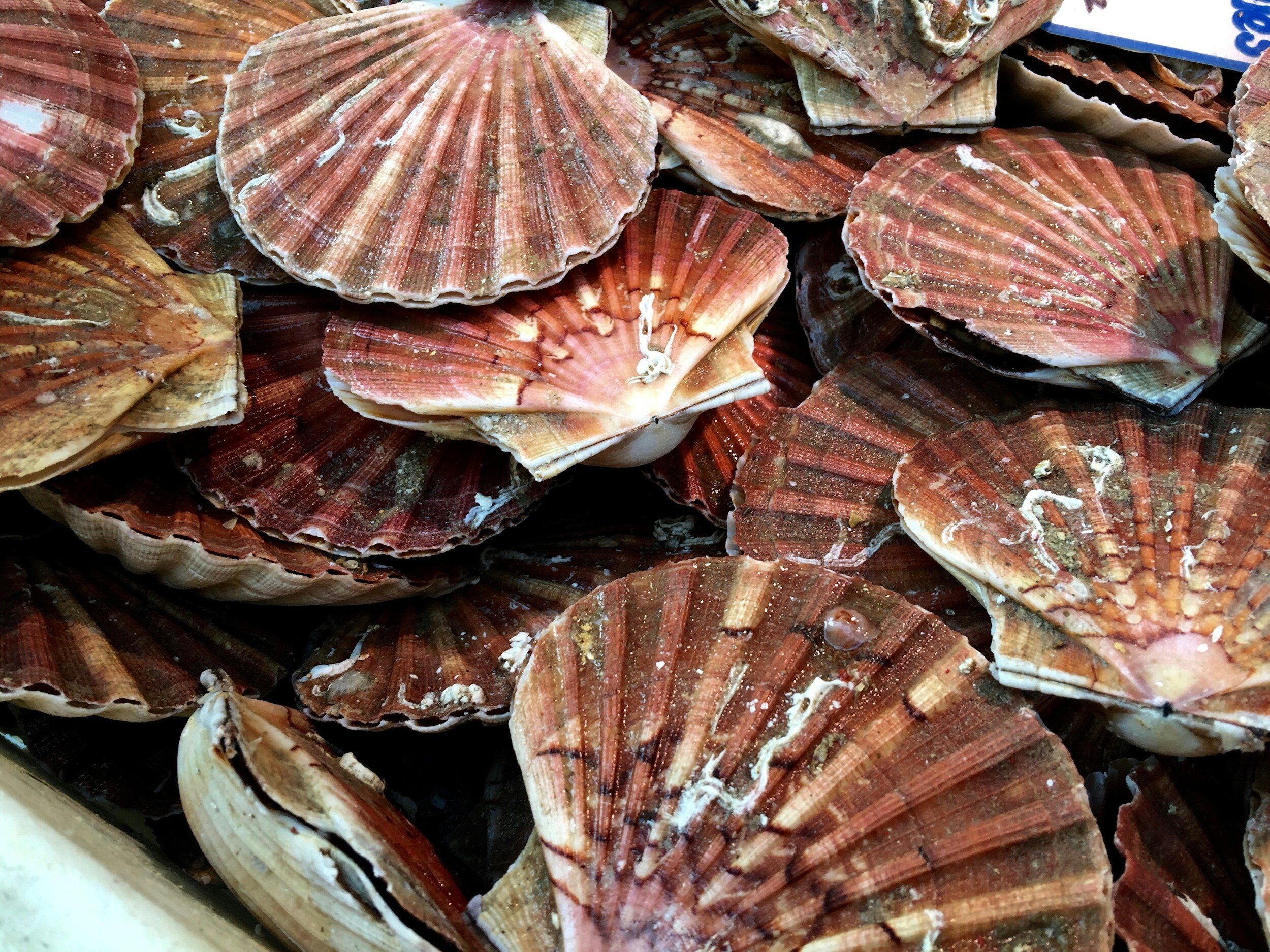
Local Farmed Oyster本地養殖蠔
本報告評估本地養殖桶蠔的ESG效益,以一個蠔排(12,000隻,養殖週期24個月)為核算單元,每隻蠔肉約35克,總產出蠔肉420公斤(按出肉率18%換算,對應活蠔約2,333公斤)。有別於傳統養殖業,蠔的養殖過程無需電力及飼料,反而發揮藍色碳匯功能。 根據IPCC核算方法,每公斤活蠔約封存0.045 kg CO₂e,本核算單元總固碳量達105 kg CO₂e,同時移除約4公斤氮及0.4公斤磷。與日本進口蠔比較,本地桶蠔每公斤蠔肉減少約1.7 – 2.9 kg CO₂e排放,並實現淨固碳。加工後蠔殼正研究應用於人工珊瑚礁及環保建材,實踐循環經濟。報告同時闡述本地採購在社會(傳統產業傳承、就業、食品安全)及管治(透明度、可追溯性)方面的效益,協助企業在ESG報告中全面呈現可持續採購價值。
甩洲優質養魚場 -- 基圍養殖蝦
本報告評估甩洲優質養魚場基圍養殖蝦的ESG效益。甩洲總面積約55公頃,其中30%(16.5公頃)用於基圍養殖。全場總放養蝦苗500萬尾,存活率35%,上市規格22-25隻/600g,年產約43.8噸。養殖模式為一年一造,生產期4-5個月,收成時間與候鳥遷徙季節完美重合,形成經濟生產與生態保育的時序協同。每年秋冬季收成後全面放水,為后海灣256種雀鳥(包括黑臉琵鷺、禾花雀)提供覓食地。基圍養殖節省人工飼料20%。甩洲魚場為漁護署「優質養魚場」(AFSF)認證場,全場聘用6名員工,按面積比例分攤基圍蝦養殖部分相當於1.8個全職崗位。每公斤蝦對應:支持3.77平方米濕地生態、節省0.36公斤飼料、支持0.0823工時非遺技藝傳承、每24.3噸蝦創造1個本地全職就業崗位。
Our Partners
-
![]()
銀杏館
-
![]()
樂善堂
-
![]()
海洋公園